Cookware care guide by material
Quick answer
Each cookware material requires different care: cast iron needs seasoning and dry storage, stainless steel tolerates heat and cleansers, nonstick demands gentle utensils and moderate temperatures, enamel avoids chips, and aluminum responds well to mild soap and water.
This guide is researched from published manufacturer care instructions and material science conventions.
| Material | Washing method | Seasoning required | Metal utensils safe | Dishwasher safe |
|---|---|---|---|---|
| Cast iron | Hot water and brush while warm | Yes, after each use | Yes | No |
| Stainless steel | Soap and water, or Bar Keepers Friend for burnt food | No | Yes | Yes |
| Nonstick | Warm water and soft sponge by hand only | No | No, wood or silicone only | No |
| Enamel | Warm soapy water and soft cloth | No | Yes | No |
| Carbon steel | Hot water and brush while warm, like cast iron | Yes, faster than cast iron | Yes | No |
| Aluminum | Warm soapy water, hand wash preferred | No | Yes | Yes |

Cast iron care: the seasoning cycle
Cast iron develops a natural nonstick surface called seasoning, which is a polymerized layer of oil baked onto the metal by heat. This layer requires regular maintenance. After each use, wash your cast iron with hot water and a stiff brush or chainmail scrubber while the pan is still warm. Do not soak it, as prolonged exposure to water causes rust. Dry it immediately with a cloth, then apply a very thin film of oil to the surface while the pan is still warm. The oil should be barely visible, not pooled or sticky. If you apply too much, wipe it away with a clean cloth, then bake the pan upside down in a 500°F oven for one hour to lock in a thin layer.
Detergent and long soaks strip seasoning, so use water and a brush for routine cleaning. Once a week or whenever you notice the surface losing its nonstick properties, re-season by heating the dry pan on the stovetop until it begins to smoke, then buff in a very thin layer of oil. Repeat this cycle two or three times. For cast iron with heavy buildup or rust, scour the surface with steel wool or a chainmail scrubber until bare metal shows, then wash, dry completely, and re-season with multiple thin coats.
Stainless steel: the workhorse material
Stainless steel cookware tolerates high heat, metal utensils, and aggressive cleaning. It does not develop seasoning and does not rust, making it the most durable choice for frequent cooks. Clean stainless steel with hot soapy water and a sponge or cloth immediately after use. Burnt-on food responds well to a simmer in water with a powdered cleanser such as Bar Keepers Friend, which safely removes discoloration and burnt residue without scratching the metal.
Never plunge a hot stainless steel pan into cold water, as thermal shock warps the base so it rocks on the hob and may cause permanent damage. Allow the pan to cool to room temperature first. Stainless steel is also safe in the dishwasher, though hand washing prolongs its life. Water spots are cosmetic and harmless. Fingerprints disappear with a soft cloth and a tiny amount of mineral oil buffed onto the surface.
Nonstick cookware: gentle handling required
Nonstick coatings such as PTFE are delicate and scratch easily. Use only wooden or silicone utensils, never metal forks or spatulas. Wash nonstick pans by hand with a soft sponge and mild soap, never in the dishwasher or with abrasive scrubbers. Allow the pan to cool before washing to prevent warping.
Never preheat a nonstick pan empty or on high heat. Most nonstick cookware performs best at medium or medium-high temperatures. If the coating begins to peel or flake, retire the pan. A damaged nonstick surface is not safe because overheated PTFE can release fumes that are rapidly fatal to pet birds and harmful to people in enclosed spaces. Replace the pan rather than attempt to restore it.
Enamel cookware: avoid chips and thermal shock
Enamel is a glass-like coating fused to metal, typically cast iron. It is durable but brittle. Enamel chips if struck hard, and a chipped interior cooking surface means the pan should be retired from regular use. Wash enamel cookware with warm soapy water and a soft cloth immediately after use. Metal utensils do not harm the enamel, but avoid dragging or scraping aggressively.
Never subject enamel to thermal shock. Do not plunge a hot enamel pan into cold water or place a cold enamel pan directly on a hot burner. Allow it to reach room temperature before washing and to warm gradually when heating. Enamel discoloration is harmless, but stains can be lightened by filling the pan with water and a little powdered cleanser, then simmering for 10 to 15 minutes.
Aluminum and carbon steel: balanced care
Aluminum is lightweight and heats quickly but dents easily and can react with acidic foods. Use it for baking rather than stovetop cooking whenever possible. Wash aluminum with warm soapy water and a soft cloth or sponge. Avoid abrasive scrubbers, which pit the surface. Aluminum cookware is safe in the dishwasher but hand washing keeps it looking newer longer.
Carbon steel is a middle ground between cast iron and stainless steel. It is lighter than cast iron, heats faster, and develops a seasoning layer with use. Care for carbon steel much like cast iron: wash with hot water and a stiff brush, dry immediately, and oil while warm. Unlike cast iron, carbon steel seasons faster and requires less frequent re-seasoning. It tolerates higher heat and metal utensils better than nonstick but demands more attention than stainless steel.
What ruins your cookware fast
The most common mistakes are thermal shock (plunging hot pans into cold water), soaking cast iron or carbon steel overnight, using steel wool on nonstick or enamel, and dishwashing cast iron, carbon steel, or nonstick pans. Detergent strips seasoning from cast iron, and the heat and moisture of the dishwasher warp bases and can damage nonstick coatings. Metal utensils damage only nonstick and enamel, not stainless or cast iron.
Long acidic cooking in cast iron, such as a tomato simmer lasting hours, can strip seasoning. If you must cook acidic foods in cast iron, use a well-seasoned pan and limit the time. Stainless steel handles acidic foods indefinitely without damage. Finally, heating cast iron or carbon steel in a cold oven, then turning up the heat sharply, can warp the base. Preheat ovens before placing cookware inside, and increase oven temperature gradually rather than in jumps.
Gear for this job
- TOPULORS
TOPULORS Cast Iron Chainmail Scrubber, 316L Stainless Steel Cleaner 8x6 in
6 in$6.39 Check pricePrices change often - BYKITCHEN
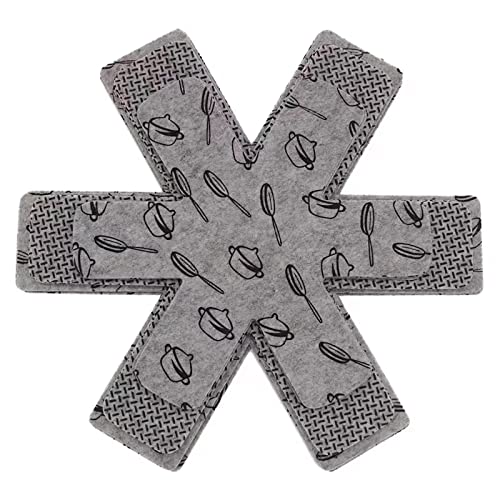
BYKITCHEN Pot Pan Protectors for Stacking,6pcs & 3 Sizes, Separator Pads
6 pieces$9.99 Check pricePrices change often - BOYAN
BOYAN Pot and Pan Protectors for Stacking, 12pcs & 3 Sizes, Separator Pads
12 pieces$14.99 Check pricePrices change often - BLACKSTONE
BLACKSTONE Griddle Seasoning and Cast Iron Conditioner, 15.3oz
$25.99 Check pricePrices change often




Safety
Common questions
Can I use soap on cast iron
Yes, you can. Modern dish soap is mild and will not strip well-seasoned cast iron. However, hot water and a stiff brush remove food just as effectively and require no additional steps. If you use soap, dry the pan immediately and oil it while warm.
Why does my stainless steel discolor
Stainless steel discolors when heated unevenly or when minerals in water interact with the metal surface. These marks are harmless and cosmetic. Wipe them away with a cloth and a tiny amount of mineral oil, or use a stainless steel polish for a brighter finish.
How do I know when to replace nonstick cookware
Replace nonstick when the coating peels, flakes, or loses its nonstick properties. Even small chips in the interior cooking surface mean the pan should be retired. Flaking nonstick coating can end up in food, and overheated coating releases harmful fumes.
Can enamel cookware go in a cold oven
No. Place enamel cookware in a preheated oven and avoid thermal shock. Do not subject enamel to rapid temperature changes, which can crack the glass-like coating.
What is the fastest way to re-season cast iron
Heat the dry pan on the stovetop until it starts to smoke, apply a very thin film of oil, then wipe away excess with a clean cloth. Repeat this cycle three times. This builds a thin, durable layer faster than oven seasoning, though oven seasoning at 500°F for an hour creates a thicker, more even base layer.